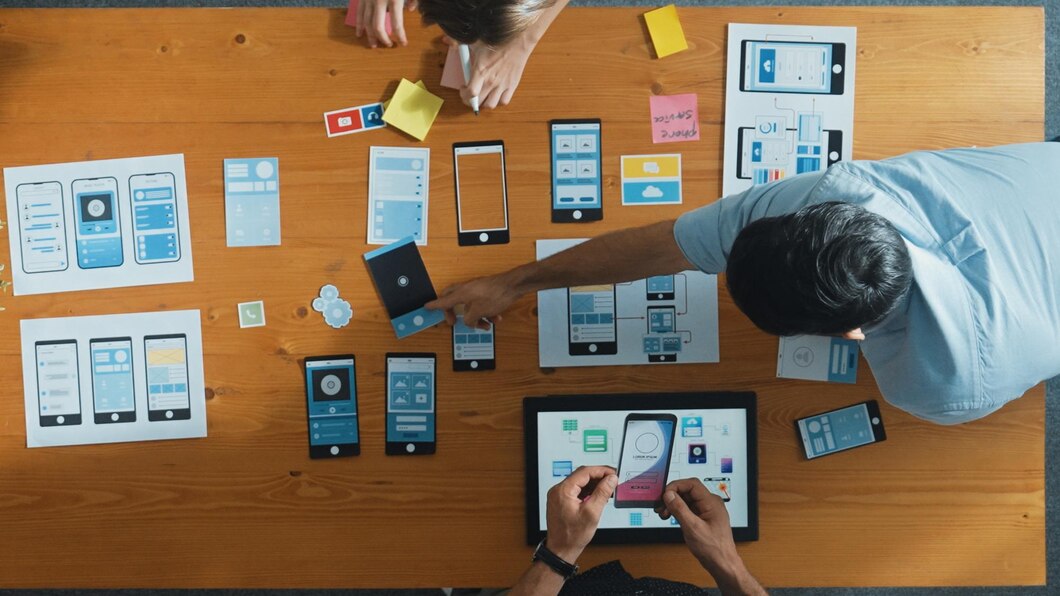
Android development is no longer limited to building mobile applications. In 2026, the ecosystem is expanding into AI-driven experiences, immersive XR environments, cross-platform solutions, and intelligent multi-device applications. Developers today are expected to create seamless digital experiences that work across smartphones, foldables, tablets, wearables, desktops, and even smart glasses.
The Rise of AI-First Android Applications
Artificial Intelligence is becoming the foundation of modern Android apps. From personalized recommendations and intelligent automation to conversational AI assistants and predictive analytics, AI is transforming how users interact with applications. Developers are increasingly integrating on-device AI models and cloud-based AI services to deliver faster, smarter, and more context-aware experiences. AI-assisted coding tools are also improving developer productivity by helping with debugging, code generation, testing, and UI creation.
Jetpack Compose Continues to Dominate
Jetpack Compose has become the preferred framework for Android UI development due to its simplicity, flexibility, and performance benefits. Developers are now building highly responsive interfaces with significantly less boilerplate code compared to traditional XML-based development. Compose in 2026 supports advanced animations, adaptive layouts, foldable optimization, and seamless integration with desktop and web experiences through Compose Multiplatform.
Kotlin Multiplatform is Driving Unified Development
Kotlin Multiplatform is reshaping how companies approach app development. Instead of maintaining separate business logic for Android and iOS, developers can now share large portions of code across multiple platforms while still delivering native performance. This approach reduces development time, improves maintainability, and enables teams to scale products faster without compromising user experience.
The Growth of Android XR and Spatial Computing
One of the most exciting trends in 2026 is the emergence of Android XR. Augmented Reality, Virtual Reality, and Mixed Reality applications are becoming increasingly important across industries such as healthcare, gaming, education, retail, and enterprise solutions. Developers who begin exploring XR technologies now will gain a strong advantage as immersive computing continues to grow.
Adaptive Experiences Across Every Device
Modern Android applications must provide consistent experiences across different screen sizes and device categories. Users expect apps to function seamlessly on foldables, tablets, wearables, automotive systems, and desktops. This has made adaptive UI design and responsive architecture essential skills for Android developers in 2026.
Security and Privacy are More Important Than Ever
As cyber threats continue to evolve, Android developers are placing greater emphasis on user privacy and secure app architecture. Features such as biometric authentication, encrypted communication, secure APIs, and privacy-first design are becoming standard practices. Trust and security now play a major role in user adoption and retention.
Cloud-Native and Real-Time Applications
Cloud technologies are accelerating Android development by enabling real-time synchronization, scalable backend systems, and seamless integrations. Platforms like Firebase and serverless architectures help developers build feature-rich applications faster while reducing infrastructure complexity. This allows teams to focus more on innovation and user experience.
The Future of Android Development
The future of Android development is being shaped by AI, cross-platform innovation, immersive technologies, and intelligent automation. Developers who continuously learn and adapt to these emerging trends will be better prepared to build the next generation of digital experiences.
✨ Android development in 2026 is not just about creating apps — it’s about building intelligent ecosystems that connect users across devices, platforms, and immersive environments